Soprano Saxophones
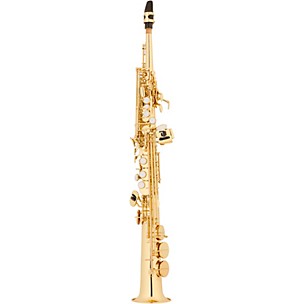
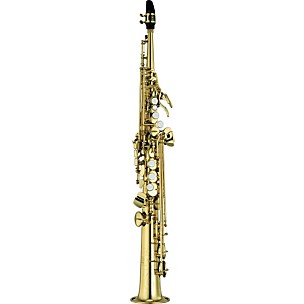
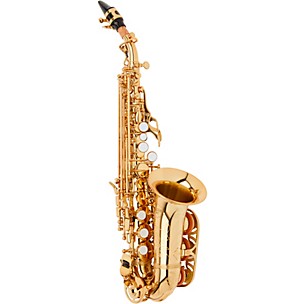
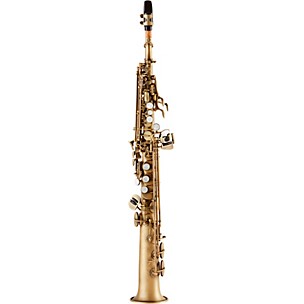
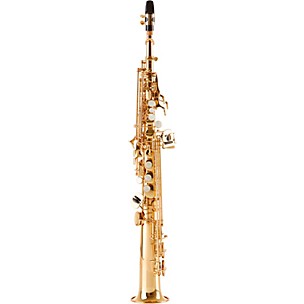
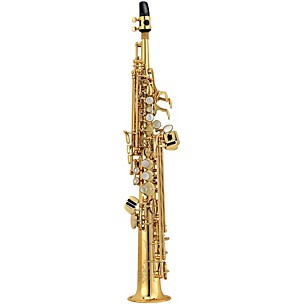
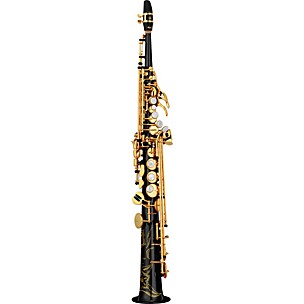
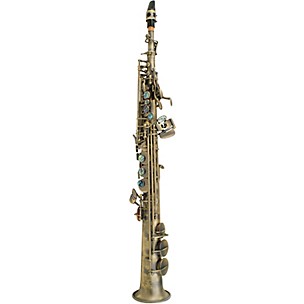
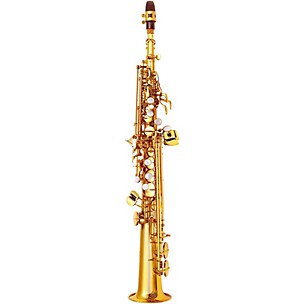
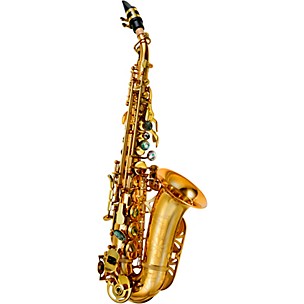
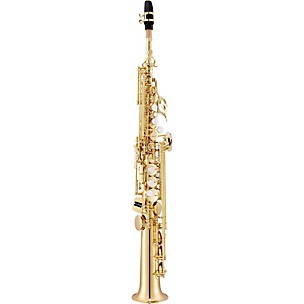
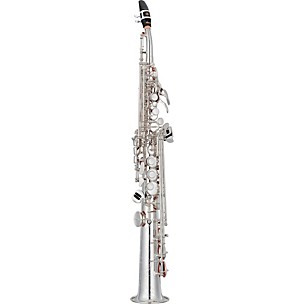
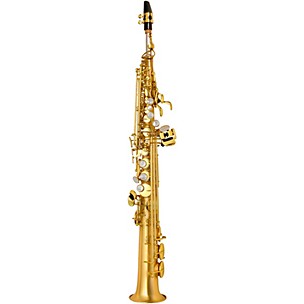
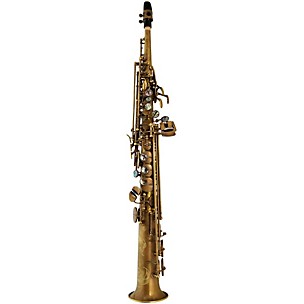
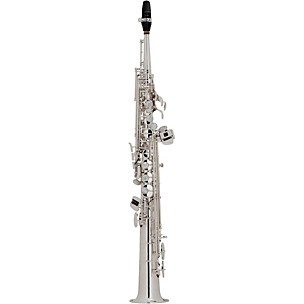
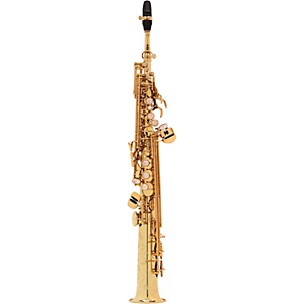
Soprano Saxophones for Sale
About the Soprano Saxophone
The soprano saxophone is one of the smaller, higher-pitched instruments in the saxophone family, positioned between the even smaller, higher-pitched sopranino and the larger, lower-pitched alto. Despite being made of brass or other metals, the saxophones are woodwind instruments because they generate sound when a musician makes a reed vibrate against a mouthpiece. Along with the alto, tenor and baritone, the soprano is one of the four most widely used saxophones, and it stands apart with its distinct look and sound. Here's what makes it special:
- Higher Pitch: The soprano saxophone is typically pitched in Bb, like the tenor sax. Unlike the tenor, however, the soprano plays an octave higher, allowing it to cover the highest saxophone parts and solos in jazz bands, wind bands, chamber groups like the saxophone quartet, and other ensembles.
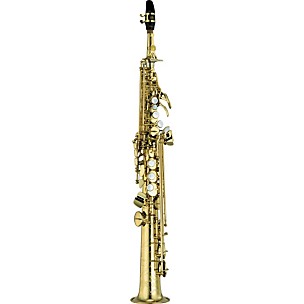
- Distinct Shape: To newcomers, the straight soprano saxophone might look like a clarinet, because it lacks the curved body of the alto or tenor saxophone. While the straight design is standard, there are also soprano models with a curved body and bell.
- Unique Tone: The soprano's sound can be described as singing, clear and penetrating. It has the ability to cut cleanly through the ensemble sound, much like an oboe. While warmth and richness are elements of tone more frequently associated with the tenor or alto, the soprano saxophone is also capable of a dark, resonant sound that pulls the listener in.
Who Plays the Soprano Saxophone?
Most of the well-known soprano saxophonists have been jazz musicians, many of them renowned for their playing on other woodwinds as well. Great soprano players in jazz include John Coltrane, Wayne Shorter, Sidney Bechet, Steve Lacy, Dave Liebman, Branford Marsalis, Jane Ira Bloom and Lucky Thompson. The most famous smooth-jazz saxophonist of all time, Kenny G, focuses on the soprano sax, and Grover Washington Jr., a key figure in crossover jazz, was recognized for his soprano playing.
Although the soprano saxophone isn't a regular presence in the symphony orchestra, the instrument has a history in classical music through specific orchestral works and solos, chamber groups like the saxophone quartet, and avant-garde music. Notable soprano saxophonists in the classical realm include Australia's Amy Dickson.
Shop for Soprano Saxophones at Music & Arts
You can filter our selection by Student Soprano Saxophones, Intermediate Soprano Saxophones and Professional Soprano Saxophones. As you move up the levels, you'll notice higher-quality materials, more refined engineering and superior craftsmanship, all of which contribute to better playability, richer tone and greater resonance.
You'll also notice that most soprano saxophones are straight, although some have curved bodies like an alto sax. The decision to opt for one design over the other is personal, and the subtle differences in sound between the designs will be negligible to a listening audience. A lot of players prefer the lightweight feel and playability of the straight soprano as well as its outward, directional projection. That said, there are a couple of advantages to curved sopranos worth considering:
- A curved soprano is generally easier to mic
- A curved soprano is more compact and thus easier to travel with
- A curved soprano can be easier for the player to hear mid-performance, since the bell projects more of the sound back toward the player
Browse our selection of high-quality soprano saxophones for sale today and find the perfect instrument to match your preference and budget. Our extensive inventory includes top-tier brands recognized for their craftsmanship and quality, such as Yamaha, Selmer Paris, Jupiter, P. Mauriat and Allora.
Soprano Saxophone Buying FAQs
Is the soprano saxophone good for a beginner?

What other instruments do soprano saxophonists play?
Can I use the same mouthpiece for a soprano saxophone that I use for my alto or tenor saxophone?
Can I use the same reeds for a soprano saxophone that I use for my alto or tenor saxophone?
Can I use a neck strap with a soprano saxophone?
What supplies do I need to clean and maintain my soprano saxophone?