Saxophones
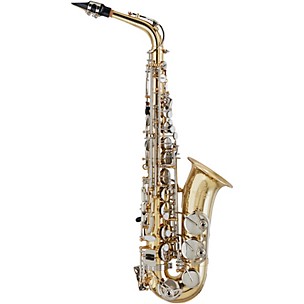
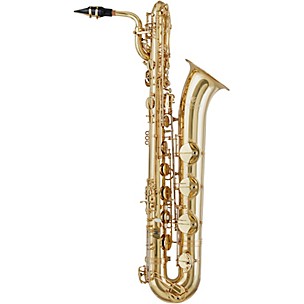
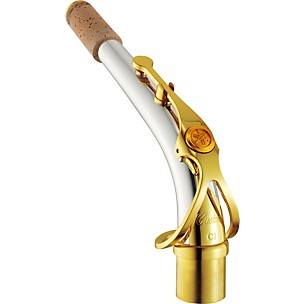
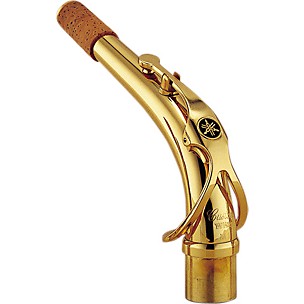
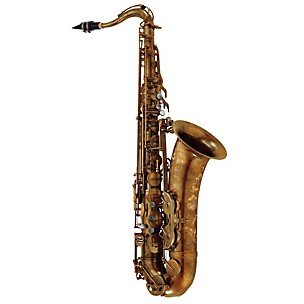
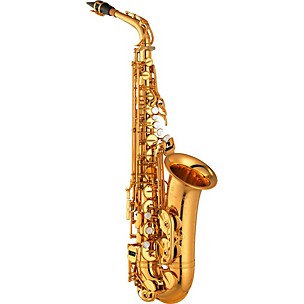
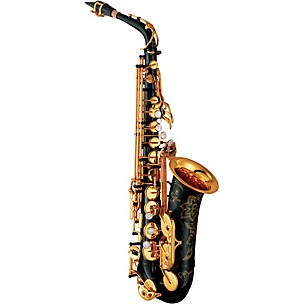
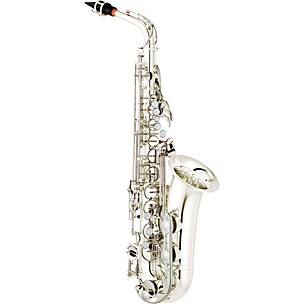
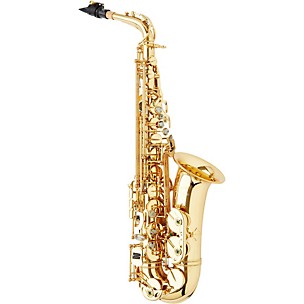
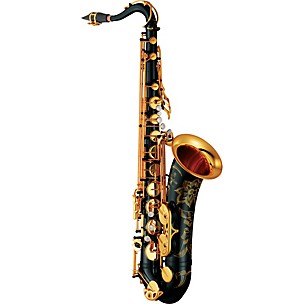
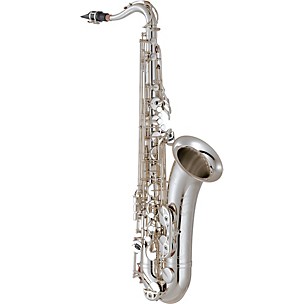
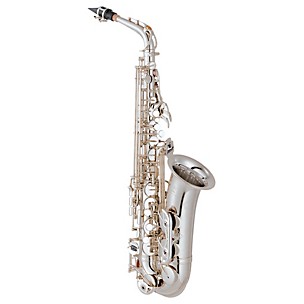
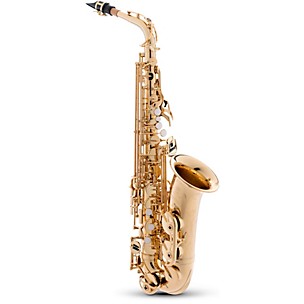
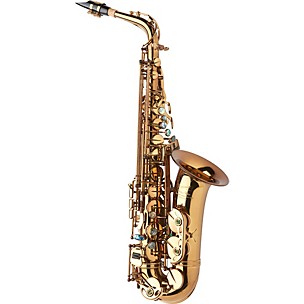
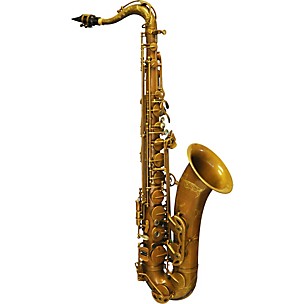
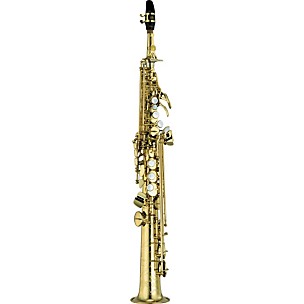
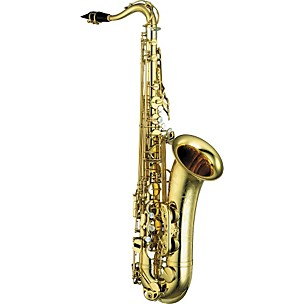
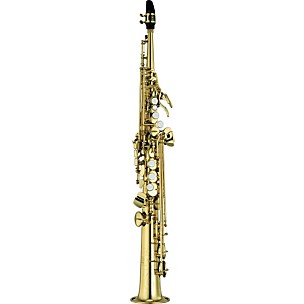
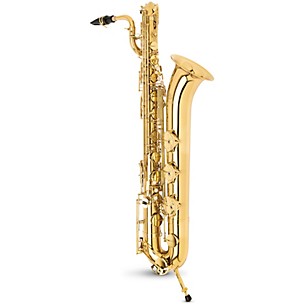
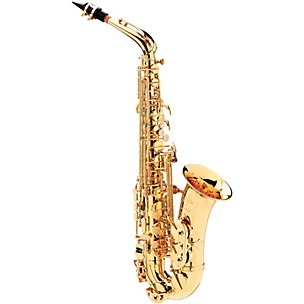


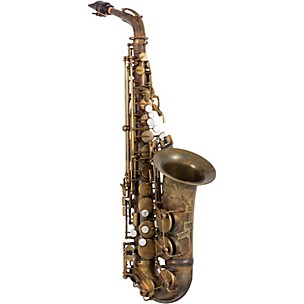
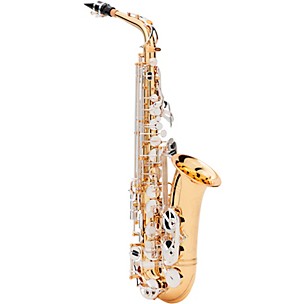
Saxophones for Sale
Why Play the Saxophone?
Renowned for its versatility and warm, emotive sound, the saxophone has been vital to a wide range of ensembles and musical styles. It’s been one of the most prominent instruments in jazz big bands and small groups alike, and many of the most renowned jazz improvisers — such as Charlie Parker, John Coltrane and Sonny Rollins — played the saxophone. It’s also important in concert bands, wind ensembles, military bands and marching bands, and has contributed harmony and classic solos in R&B, rock and pop. Although the saxophone isn’t a standard instrument in the symphony orchestra, it has an established history in orchestral and chamber repertoire as well.
From romantic jazz ballads and lyrical saxophone-quartet arrangements to powerhouse funk solos, the saxophone has a seemingly limitless scope of expression — and endless performance opportunities.
Saxophones come in a variety of sizes and pitch ranges, each designed to serve a different role within an ensemble. Despite typically being made of brass, saxophones are classified as woodwinds because they produce sound when a single reed — a thin piece of cane or synthetic material — vibrates against a mouthpiece.
Types of Saxophones
Beginning in the 1840s, Belgian inventor Adolphe Sax created an entire family of saxophones. Today, the most commonly played saxophones are the Eb alto, Bb tenor, Bb soprano and Eb baritone.
Shopping for a Saxophone
If you’re searching for saxophones for sale, Music & Arts offers a wide selection for students, intermediate players and professionals. Explore our collection to find the perfect saxophone that matches your skill level and helps you achieve the sound you want. You can also check out our Saxophone Buyer’s Guide for helpful guidance.
We also offer Saxophone Rentals at competitive rates, with free shipping and industry-leading support.
Saxophone Buying FAQs
What is the difference between the soprano, alto, tenor and baritone saxophones?

Which saxophone is best for beginners?
Should I start on saxophone or do I need to start on another instrument?
Can I rent a saxophone from Music & Arts?
What accessories do I need for my saxophone?
If I can play one saxophone, can I play them all?
Can saxophones be used for musical genres other than jazz?
What brands make saxophones that sound and play great?