Acoustic Guitars
Shop acoustic guitars for sale at Music & Arts with a wide selection of dreadnoughts, parlor, concert and classical styles to fit any playing style and budget. Browse models from top brands like Martin, Taylor, Alvarez, Breedlove, and Gibson and enjoy free shipping on orders $25+, our lowest price guaranteed, and a 30-day return policy.

Top Brands


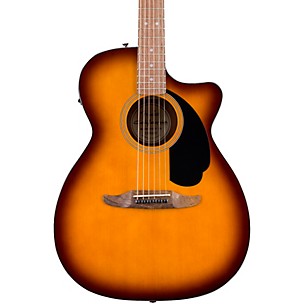
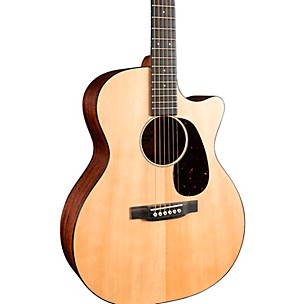
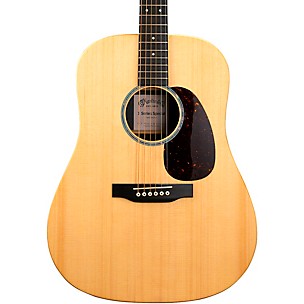
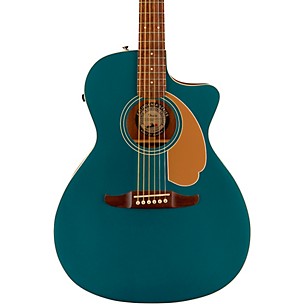
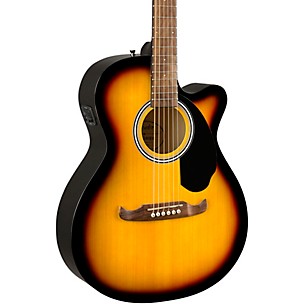
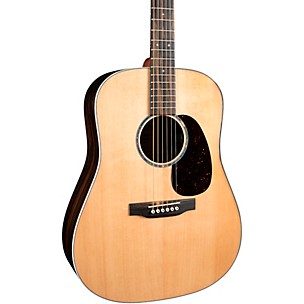
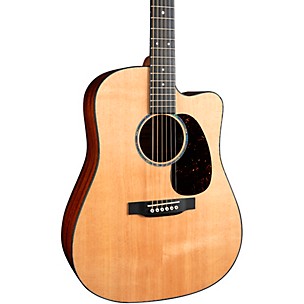
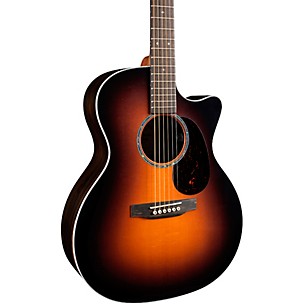
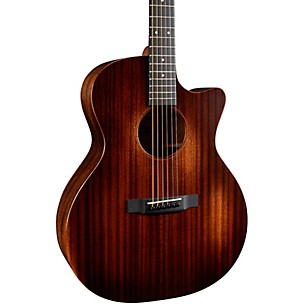
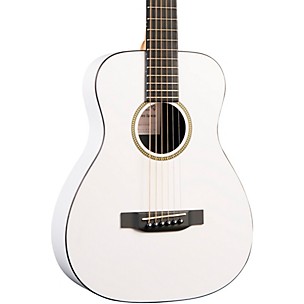
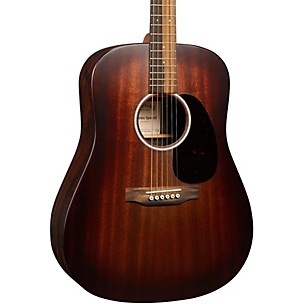
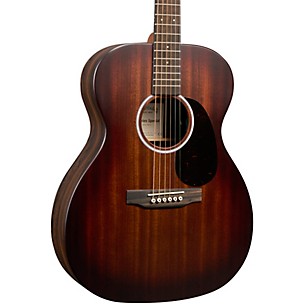
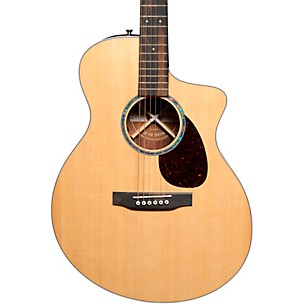
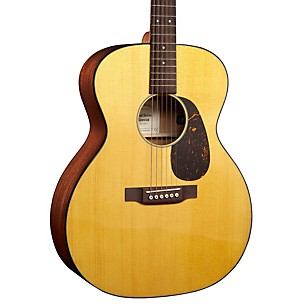
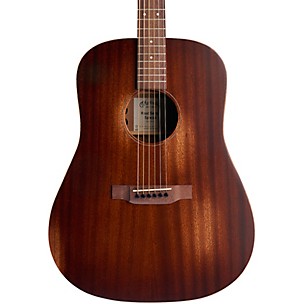
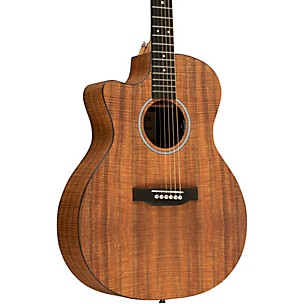
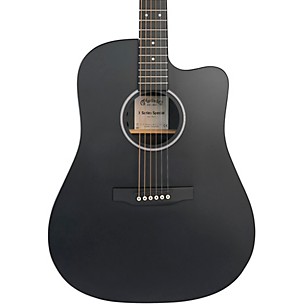
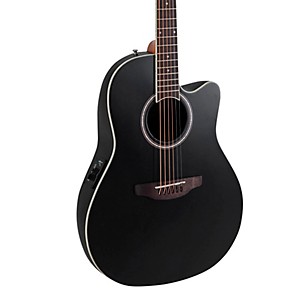
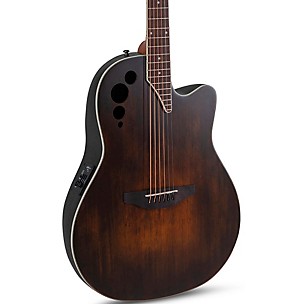
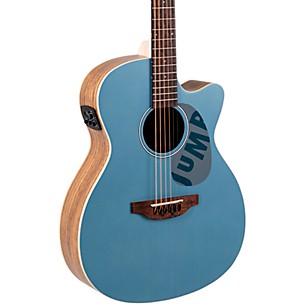
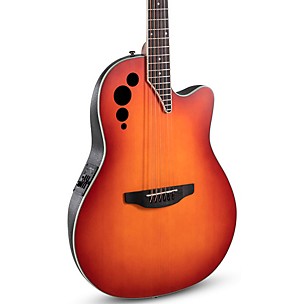
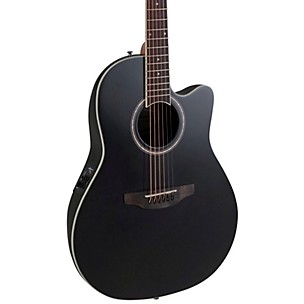
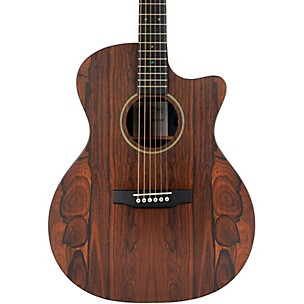
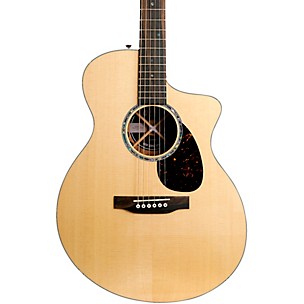
Acoustic Guitars for Sale
The acoustic guitar ranks among the most popular instruments in the world, prized for its portability, resonance, projection and versatility across a vast range of musical styles. From classical, folk, country and blues to rock and pop, the acoustic guitar delivers sounds and textures that are at once earthy and extraordinary, natural and complex. It’s the perfect instrument for musicians of all ages, skill levels and musical goals.
At Music & Arts, you’ll find a wide selection of acoustic guitars for every player, from first-time students to seasoned fingerpickers. Our selection features models from the most trusted brands, renowned for their dedication to craftsmanship and tone.
How to Choose an Acoustic Guitar
When selecting an acoustic guitar, think about the music you love to listen to and the sound you want to achieve. Here are some things to consider:
String type: This is the biggest differentiator for new acoustic guitar buyers. You’ll need to decide whether you want a steel-string acoustic guitar or a nylon-string guitar.
- Steel-string acoustic guitars are the standard folk-style guitar you’re no doubt familiar with. Typically made of bronze-wrapped steel, the strings on these guitars boast a crisp, penetrating tone and strong projection. They’re thicker than electric guitar strings, with more string tension, making them harder to bend and more difficult for beginners to fret. Steel-string acoustics are common in folk, country, blues, rock, singer-songwriter music and other genres. Compared to nylon-string acoustics (read on), steel-string acoustics have a narrower neck, more internal bracing to accommodate more string tension, a different bridge style and other core design differences.
- Nylon-string acoustic guitars are easier to fret because their strings feel softer, with less tension. That can sound enticing to beginners, though there are other considerations: Nylon-string guitars project less than steel-string acoustics and are generally trickier with regard to tuning stability and restringing. These instruments have a specific sound — elegant, soothing, quietly precise — that defines such fingerstyle traditions as classical, flamenco and bossa nova. Some jazz players also prefer nylon-string guitars, and the nylon-string sound turns up in everything from pop to hip-hop and film scores.
Body shapes: The size and shape of the body of an acoustic guitar affect both comfort and projection. Larger bodies produce more volume and bass, while smaller designs are easier to handle and offer tonal balance. For example, dreadnoughts offer strong projection and a rich, expansive sound, while jumbo guitars deliver even more volume and depth. Concert and parlor bodies provide a more ergonomic feel and a more precise, balanced sound.
Tonewoods: Different woods, used for different parts of the acoustic guitar, define the character of the instrument’s tone. Often you’ll encounter steel-string acoustic guitars with a top made of spruce, prized for its clarity, complexity and projection, and a back and sides made of woods like mahogany or maple. Some guitars have a top, back and sides made of mahogany, which is appreciated for its balance, warmth and midrange punch. For a detailed breakdown of the popular tonewoods you’ll encounter when shopping, check out our Acoustic Guitar Buyer’s Guide.
Cutaway vs. Standard: A cutaway in an acoustic guitar is a design element that essentially removes part of the instrument’s upper bout, allowing easier access to the highest frets on the fingerboard. While some players will argue that standard, non-cutaway acoustic guitars sound better, the tonal difference is usually subtle, and many players won’t notice it in practical use. The choice is really more aesthetic — many pickers prefer the classic look of a standard guitar — and based on playing style. If you play rapid-fire leads all over the fingerboard, as you would on an electric, a cutaway is useful; if you mostly strum open-position chords near the nut of the guitar, a standard body shape is perfect.
Acoustic-Electrics: Acoustic-electric guitars are acoustic guitars that can be plugged into an amplifier and used with electronic effects. They typically have a preinstalled transducer pickup that captures the string vibrations and converts them into an electrical signal for amplification. Contemporary acoustic-electrics often come with a built-in preamp, EQ and digital tuner. Acoustic-electric amplifiers are designed to handle the specific tonal demands of acoustic-rooted instruments.
12-String Guitars: A 12-string guitar is played similarly to a six-string guitar since it features six sets, or “courses,” of paired strings. The four lower pairs are tuned an octave apart, while the two upper pairs are tuned to the same pitch. The 12-string instrument adds rich harmonic textures, resulting in a beautifully expansive sound when strumming or arpeggiating chords and letting the strings resonate. It is, however, considered a specialized instrument, and typically beginners start on a six-string acoustic guitar.
Shop Acoustic Guitars at Music & Arts
Explore our wide selection of acoustic guitars for sale from leading brands like Taylor, Martin, Takamine, Alvarez, Breedlove, Yamaha and Fender. Shop online for fast, secure delivery and free shipping, or visit a local Music & Arts store to compare models in person. Our specialists can help you find the perfect acoustic or acoustic-electric guitar to match your playing style.
Acoustic Guitar Buying FAQs
Is an acoustic guitar good for beginners?

Is the acoustic guitar easier to play than the electric?
What are some good brands for the acoustic guitar?
Can I learn to play the guitar at Music & Arts?
What accessories do I need when purchasing an acoustic guitar?
How do I store and maintain my acoustic guitar?
Does Music & Arts offer financing or payment plans for acoustic guitars?